Do Newborns & Toddlers Need The Same Vitamins As You?
A daily multivitamin, some magnesium before bed, a little extra vitamin D in winter… You probably know exactly what your own vitamin routine looks like. But when it comes to your newborn, you might not have even thought about it!
Babies aren’t just small adults and infant nutrition is very distinct. What they need and when they need it is just as important as the rest of the household, especially during the first year while they’re growing and developing at an incredible pace.
In this guide, we’ll explore the important role of vitamin C and vitamin D for infants, share a simple feeding guide by age, and explain how your little one’s needs continue to evolve from those early newborn days through to toddlerhood.
Why Infant Nutrition Isn’t Just “Adult Nutrition, Smaller”
Even if your baby looks like a mini-me, their vitamin needs aren’t simply a mini version of yours. Unlike adults, who have fully developed systems and established nutrient stores, a newborn’s gut, immune system and stores of key nutrients are still developing.
In fact, babies grow faster in the first year than at any other point in life. This is why their nutrient needs are much higher (relative to their tiny body size) compared to adults.
Vitamin D For Infants: What Australian Guidelines Actually Say
The following is for general information only and is based on Australian guidelines. It is not a recommendation to start or stop any supplement without medical advice. Parents should always speak with their GP or healthcare professional for personalised advice based on their baby’s individual circumstances.
Vitamin D is one of the most important infant vitamins to be aware of. Similar to its role in adults, it works alongside calcium to support healthy bones and teeth.
Infant formula sold in Australia is fortified with vitamin D, so formula-fed babies having at least 500 mL daily generally get enough from their feeds alone. However, whether your baby is breastfed or formula-fed, it’s not unusual for vitamin D to be brought up in your GP or maternal child health nurse appointments.
Australian guidelines recommend a daily intake of 400 IU (international units) of vitamin D for infants aged 0-12 months. An infant vitamin D supplement can sometimes be required to support this intake, and while newborn vitamin drops are a common choice for many parents, you should always contact your GP for professional advice before use.
What About Vitamin C For Infants?
Vitamin C also plays an important role in infant nutrition, helping to support your baby’s immune system function, as well as assist the body in absorbing iron from food. The second of which becomes particularly important once your baby starts eating solids, as their iron needs increase from around 6 months of age.
Before 6 months, both breastmilk and infant formula provide enough vitamin C for babies. This is largely why infant vitamin C deficiency is rare in Australia, though not impossible if a baby’s diet later becomes limited.
Once your baby is developmentally ready for solids, you can begin introducing foods that are naturally rich in vitamin C alongside other first foods. Simple options include:
-
Soft, mashed kiwi fruit
-
Small pieces of orange with membrane removed
-
Steamed and mashed broccoli
-
Soft-cooked capsicum
-
Mashed strawberries or raspberries
As with any new food, introduce vitamin C-rich options gradually and see how your baby responds. When considering a varied diet for your infant, vitamin C pairs well with iron-rich foods like soft fall-apart meats, spinach, lentils or iron-fortified infant cereal.
A Simple Feeding Guide For Infants (0-12 Months)
A lot of growing and developing happens in your baby’s first year, which you can support with stage-appropriate nutrition. Here’s a simple infant food chart many parents find useful:
-
0-6 months: Breast milk or infant formula only. Feed on demand whenever your baby shows hunger cues. Supplement only if advised by your GP or maternal child health nurse.
-
Around 6 months: Continue breast milk or formula and begin introducing iron-rich foods (eg. iron-fortified infant cereal, soft or pureed meats, tofu, legumes). Start with 1-2 teaspoons once a day and gradually increase as your baby becomes more confident with eating.
-
6-9 months: Introduce variety and texture. Progress from puree to mashed and offer a wider range of fruits and vegetables. Begin exposure to allergenic foods (egg, peanuts, dairy, etc) by trying one at a time and monitoring for any reaction.
-
9-12 months: Progress to minced food and soft finger food (eg. shredded chicken, soft pasta, cooked vegetable sticks). Work towards three small meals a day plus milk feeds.
Like any milestone, babies develop at their own pace and you don’t need to follow a strict timetable to support their nutrient needs. The first year of feeding can look different for everyone and if you’re unsure at any stage or worried about specific infant vitamins, seek professional advice from your GP.
From Infant Vitamins to Toddler Vitamins: What Changes After 12 Months
So what happens after 12 months? Welcome to toddlerhood! Alongside a common transition to cow’s milk or toddler’s milk, your little one’s diet becomes more varied. But even with more food in their bellies (and less on the floor), nutrients like iron, vitamin D and calcium still need attention, especially if they reach a stage of fussy eating, which is common in the toddler years.
This is often the point when parents start hearing about toddler vitamins. A multivitamin or a fortified toddler drink may be considered if a child has a very limited diet, avoids entire food groups, or has been identified by a health professional as being at risk of specific nutrient gaps. However, supplements are generally best thought of as a backup, not a replacement, and parents should prioritise offering a varied diet of whole foods.
If your toddler is going through a picky phase, it can help to zoom out on what they’re eating across an entire week rather than focusing on a single meal or day. Some parents may also consider introducing one of Bubs’ Toddler Milk Drinks to tick off some key nutrients for peace of mind.
How Bubs Supports Your Baby’s Nutrition
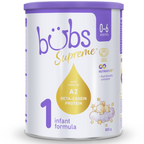
When it comes to infant vitamins, a lot of what they need is already incorporated in their everyday nutrition. For families who are formula feeding or combination feeding, Bubs Organic Grass Fed Formula range is fortified with vitamin D, DHA and ARA, ticking a lot of boxes for your little one’s development. Paired with stage-appropriate whole foods as they grow, it can help support your baby’s nutritional needs throughout the first year.
And if you’re looking for support during toddlerhood, Bubs’ Goat Milk Toddler Drink range is a popular choice for parents, with vitamin D and calcium to support healthy bone development, alongside the A2 milk protein, which can be gentle on bellies.
Remember that every baby is different and nutrition needs can vary. If you’re ever concerned, speak to your GP, who can provide personalised advice from infant nutrition through to toddler vitamins.